Municipal Curb Work Built to Pass Inspection
City, Curb and Gutter in Idaho Falls for subdivision development and residential properties requiring city-specification installation
Municipal and subdivision development across eastern Idaho requires curb and gutter work built to city specification and capable of passing inspector review without rework. Wolverine Concrete is licensed with the city for curb and gutter installation, a credential most residential concrete contractors do not hold. Forms are set to city-provided grade stakes, and finished work is built to pass municipal inspection on the first review, working directly with municipalities and developers to meet subdivision requirements.
Curb and gutter installation involves setting forms to grade stakes provided by the city engineer, pouring concrete to specification thickness and profile, and finishing the surface to match municipal standards for drainage slope and curb height. The grade stakes establish elevation and alignment, and the forms must follow those reference points exactly—deviation results in improper drainage slope or curb reveal that fails inspection.
Arrange a consultation to discuss city specification requirements and grade stake coordination for your subdivision or residential curb project.
Why City Licensing Matters for Curb Installation
City licensing for curb and gutter work confirms the contractor understands municipal specifications and has demonstrated the ability to build to those standards. The license is not automatic with a general concrete contractor credential—it requires review by the city and evidence of prior work that meets inspection criteria. Contractors without city licensing cannot perform curb and gutter work for municipal projects or subdivision development governed by city oversight.
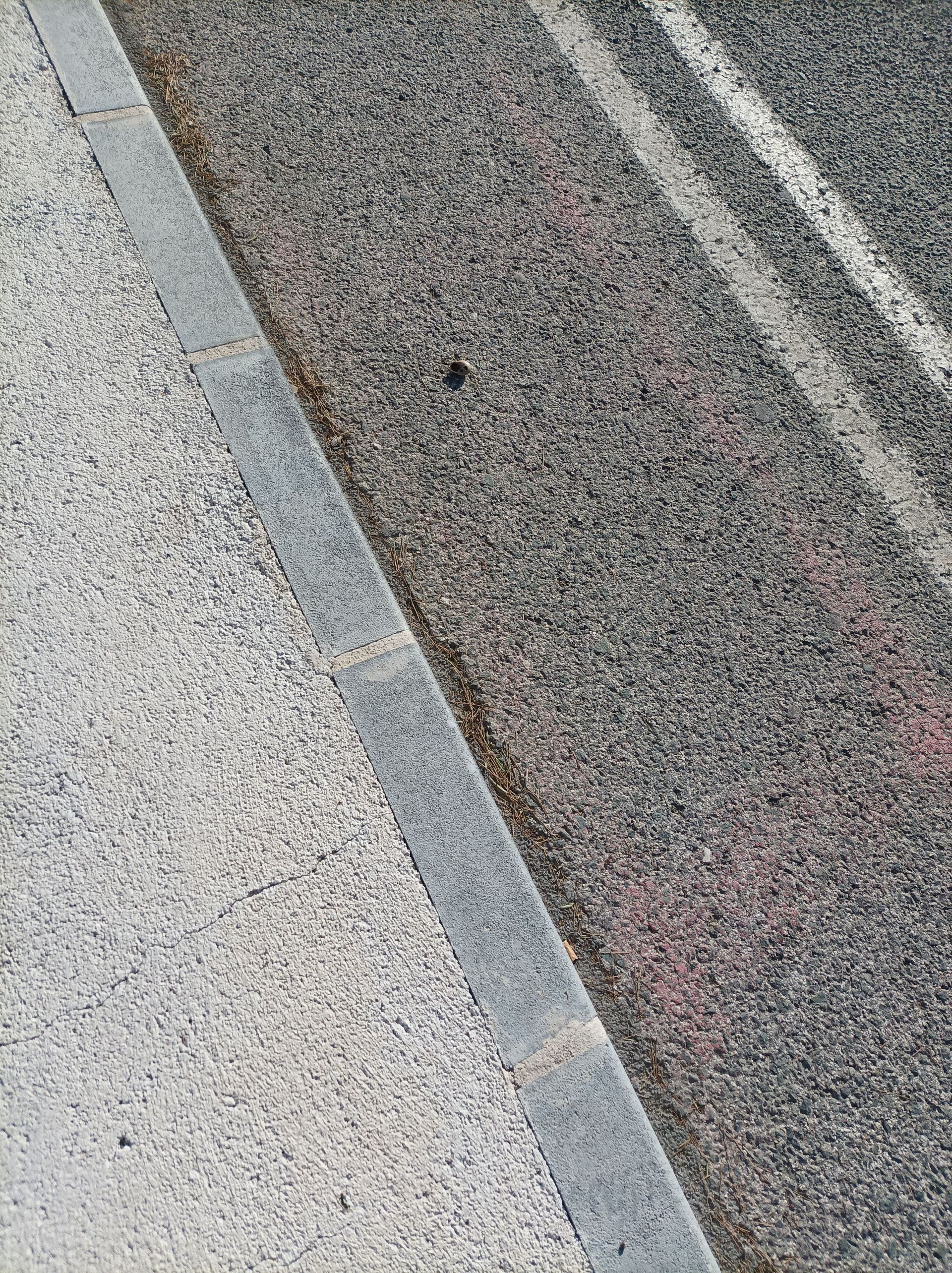
After installation, the curb and gutter direct stormwater along the street edge without pooling or overflow onto adjacent properties. The curb face sits at the height specified by the city, the gutter slope channels water toward storm drains, and the finished surface passes inspection without requiring tearout or modification. The work integrates with the broader subdivision drainage system because it was built to the engineer's grade plan from the start.
Projects that fail inspection require form removal, concrete removal, and reinstallation to correct elevation errors or profile deviations. Rework delays subdivision development timelines and adds costs that proper initial installation avoids. Working to city-provided grade stakes eliminates guesswork and ensures the finished curb matches the drainage plan the engineer designed for the site.
Common Questions About This Service
Property developers and homeowners on municipal projects ask these questions when coordinating curb and gutter work in Idaho Falls.
What does city licensing for curb and gutter involve?
The license requires verification that the contractor understands municipal specifications, can interpret grade stakes, and has completed prior curb work that passed city inspection. Not all concrete contractors pursue this license because it is specific to municipal and subdivision work.
How are grade stakes used during curb installation?
Grade stakes are placed by the city engineer or surveyor at intervals along the curb line, marking the elevation and alignment the finished curb must follow. Forms are set to those stakes, and the concrete is poured to match the specified height and slope.
What happens if curb and gutter work fails inspection in Idaho Falls?
The city inspector identifies elevation errors, profile deviations, or drainage slope issues, and the contractor must remove the non-compliant section and reinstall it to specification. This delays project approval and adds material and labor costs.
When is curb and gutter work required for residential properties?
Curb and gutter installation is required in subdivisions governed by municipal development codes and in situations where the city extends infrastructure to a previously unserved area. Individual residential properties outside city jurisdiction may not require curb work unless connecting to municipal stormwater systems.
What is the difference between residential flatwork and city curb work?
Residential flatwork like driveways and patios follows the contractor's layout and the property owner's preferences. City curb work follows the municipality's engineering plan, must meet inspection standards, and requires city licensing to perform legally.
Wolverine Concrete has worked with municipalities and developers across eastern Idaho for 40 years, licensed with the city and equipped to handle both residential flatwork and city-specification curb and gutter projects. Contact Wolverine Concrete to coordinate grade stake interpretation and municipal curb installation for your subdivision or property development.